Embark on a journey through the world of minimalist design with our guide to the best tips and tricks. From decluttering secrets to color palette inspiration, this introduction sets the stage for a minimalist makeover that will transform your living space.
Discover the beauty of negative space, the allure of clean lines, and the magic of “less is more” as we delve deeper into the art of minimalism.
Best Minimalist Design Tips
Minimalist design is all about simplicity, functionality, and creating a sense of calm in a space. Here are some key principles to keep in mind when embracing minimalist design:
Key Principles Behind Minimalist Design
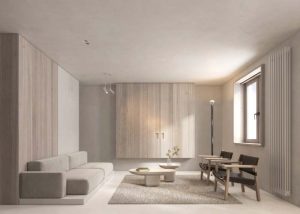
Minimalist design focuses on clean lines, simple color schemes, and uncluttered spaces. It emphasizes quality over quantity and promotes a sense of openness and tranquility.
- Avoid excess decoration and unnecessary elements.
- Focus on essential items that serve a purpose.
- Use neutral colors and natural materials.
- Embrace negative space to allow room for breathing.
How Minimalism Enhances a Living Space
Minimalism can enhance a living space by creating a peaceful environment that promotes relaxation and mindfulness. By decluttering and simplifying your surroundings, you can reduce stress and improve overall well-being.
The Importance of Decluttering in Minimalist Design
Decluttering is a crucial aspect of minimalist design as it helps create a sense of order and cleanliness. By removing unnecessary items and organizing your space effectively, you can achieve a minimalist aesthetic that is both visually appealing and functional.
Examples of Minimalist Color Palettes
Minimalist color palettes often consist of neutral tones such as white, beige, gray, and black. These colors create a sense of harmony and sophistication, allowing other elements in the space to stand out without overwhelming the eye.
Minimalist Design Elements
In minimalist design, certain key elements play a crucial role in achieving a clean, simple, and stylish aesthetic. These elements focus on utilizing space, shapes, lines, and overall simplicity to create a harmonious and visually appealing environment.
Negative Space in Minimalist Design
Negative space, also known as white space, is a fundamental component of minimalist design. It involves intentionally leaving areas empty to create a sense of balance, clarity, and focus. By incorporating negative space, designers can highlight essential elements, reduce visual clutter, and enhance the overall impact of the design.
Geometric Shapes in Minimalist Aesthetics
Geometric shapes, such as squares, circles, and triangles, are commonly used in minimalist aesthetics. These shapes offer a sense of order, symmetry, and precision to the design. By utilizing geometric shapes, designers can achieve a structured and organized look that aligns with the minimalist philosophy of simplicity and elegance.
Clean Lines and Simplicity in Minimalist Interiors
Clean lines and simplicity are core principles of minimalist interiors. By focusing on straight lines, sharp angles, and a limited color palette, designers can create a space that feels uncluttered, refined, and inviting. The emphasis on clean lines and simplicity helps to create a sense of calm and tranquility within the interior environment.
Less is More in Minimalist Design
The concept of “less is more” encapsulates the essence of minimalist design. By stripping away unnecessary elements and focusing on what is essential, designers can achieve a sense of elegance and sophistication. Embracing minimalism allows for a greater appreciation of each individual element within the design, leading to a more impactful and visually striking result.
Implementing Minimalist Design
When it comes to implementing minimalist design, there are several key aspects to consider in order to achieve a clean and uncluttered aesthetic. From choosing the right furniture to incorporating natural elements, each decision plays a crucial role in creating a space that exudes simplicity and tranquility.
Choosing Furniture with a Minimalist Approach
- Opt for furniture with clean lines and simple silhouettes.
- Select pieces that serve a dual purpose to maximize functionality in a minimal space.
- Avoid excessive ornamentation and opt for neutral colors to maintain a cohesive look.
- Invest in high-quality, timeless pieces that will stand the test of time.
Incorporating Natural Materials in Minimalist Design
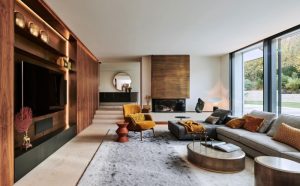
- Use natural materials such as wood, stone, and metal to add warmth and texture to a minimalist space.
- Introduce greenery with potted plants to bring a touch of nature indoors.
- Choose sustainable materials to align with the minimalist ethos of simplicity and sustainability.
- Embrace the beauty of imperfection in natural materials to add character to the space.
The Impact of Lighting on Minimalist Spaces
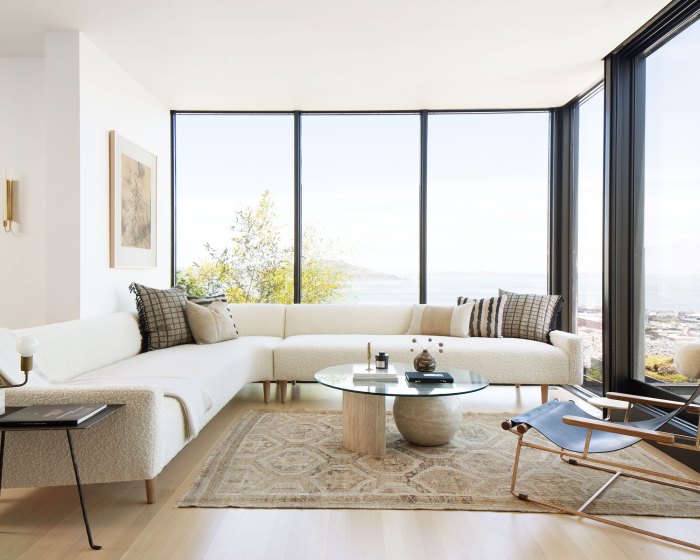
- Opt for natural light whenever possible to create a bright and airy atmosphere.
- Choose simple, sleek lighting fixtures that complement the minimalist aesthetic.
- Consider the placement of lights to highlight key features and create a sense of depth in the space.
- Experiment with different light temperatures to set the mood and ambiance in a minimalist setting.
Creating a Sense of Calm and Tranquility through Minimalist Decor
- Declutter the space and only keep items that serve a purpose or bring joy.
- Utilize negative space to create a sense of openness and tranquility.
- Incorporate soft textures and calming colors to promote relaxation and serenity.
- Add personal touches sparingly to maintain the minimalist aesthetic while infusing the space with personality.
Minimalist Design Vs. Modern Classics
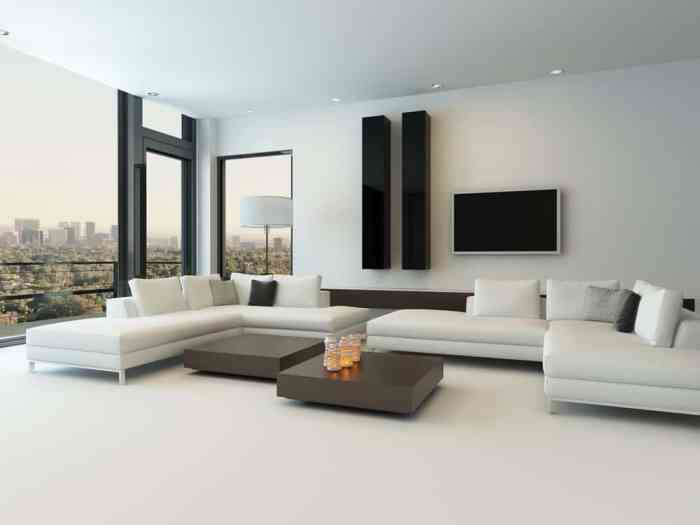
When comparing minimalist design with traditional design styles, it is important to note the key differences in their approach to aesthetics and functionality. Minimalist design focuses on simplicity, clean lines, and a sense of openness, while traditional design often incorporates ornate details, rich colors, and a sense of opulence.
Evolution of Modern Classics in Minimalist Interiors
In modern interiors, the concept of modern classics has evolved to incorporate minimalist design principles. This fusion brings together timeless pieces with a minimalist aesthetic, creating a harmonious balance between functionality and elegance.
Influence of Minimalist Design on Modern Classic Furniture
Minimalist design principles have greatly influenced the design of modern classic furniture. Pieces now feature clean lines, geometric shapes, and a focus on functionality, while still maintaining a sense of timelessness and sophistication.
Iconic Modern Classic Pieces with Minimalist Aesthetics
- The Barcelona Chair by Ludwig Mies van der Rohe: Known for its sleek design and use of luxurious materials, this iconic piece embodies minimalist elegance.
- The Eames Lounge Chair and Ottoman by Charles and Ray Eames: With its simple yet sophisticated form, this classic piece defines the essence of minimalist style.
- The Noguchi Coffee Table by Isamu Noguchi: Featuring a sculptural design and clean lines, this table is a perfect example of minimalist artistry in furniture.
Modern Living and Minimalism
In today’s fast-paced world, the concept of minimalism has gained significant traction as people seek simplicity and functionality in their living spaces. Minimalist design seamlessly integrates with modern living, offering a clean and uncluttered aesthetic that promotes a sense of calm and focus.
Promoting Sustainability with Minimalist Design
Embracing minimalist design principles can lead to a more sustainable lifestyle by encouraging conscious consumption and reducing waste. By prioritizing quality over quantity and opting for multifunctional pieces, individuals can minimize their environmental footprint and contribute to a greener future.
Organizing and Maintaining a Minimalist Living Space
- Declutter regularly to eliminate unnecessary items and create a sense of space.
- Invest in storage solutions that are both functional and visually appealing.
- Adopt a “one in, one out” rule to prevent accumulation of excess belongings.
- Embrace a minimalist color palette and streamline your decor for a cohesive look.
Psychological Benefits of Living in a Minimalist Environment
- Reduced stress and anxiety due to a clutter-free and organized living space.
- Enhanced focus and productivity by eliminating distractions and visual overload.
- Promotion of mindfulness and gratitude by appreciating the simplicity and beauty of minimalism.
- Improved overall well-being through a sense of calm and tranquility in your surroundings.
As we wrap up our exploration of minimalist design, remember that simplicity is key to creating a harmonious and tranquil environment. Embrace the minimalist mindset and watch as your space transforms into a sanctuary of peace and serenity.
FAQ Overview
How can minimalism enhance a living space?
Minimalism enhances a living space by focusing on simplicity, functionality, and clean aesthetics, creating a calm and harmonious environment.
What are some tips for choosing furniture with a minimalist approach?
When choosing furniture for a minimalist space, opt for pieces with clean lines, neutral colors, and multifunctional design to maintain a clutter-free look.
How does minimalist design promote a more sustainable lifestyle?
Minimalist design promotes a sustainable lifestyle by encouraging conscious consumption, reducing waste, and prioritizing quality over quantity in home decor choices.
What is the significance of lighting in minimalist spaces?
Lighting plays a crucial role in minimalist spaces by enhancing the overall ambiance, highlighting key design elements, and creating a sense of spaciousness and tranquility.
What are the psychological benefits of living in a minimalist environment?
Living in a minimalist environment can reduce stress, increase focus and productivity, promote relaxation, and create a sense of clarity and peace of mind.