Delving into Minimalist Design Ideas for Home, this introduction immerses readers in a unique and compelling narrative, with a casual formal language style that is both engaging and thought-provoking from the very first sentence.
Explore the essence of minimalist design through examples of key elements in various living spaces and the importance of decluttering for achieving a sleek aesthetic.
Minimalist Design Ideas for Home
Minimalist design is all about simplicity, functionality, and clean lines. Here are some ideas to incorporate minimalist elements into your home:
Examples of Minimalist Design Elements for a Living Room
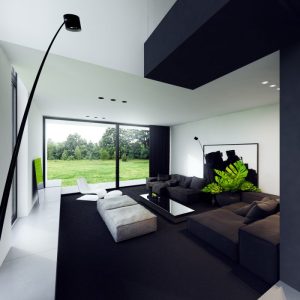
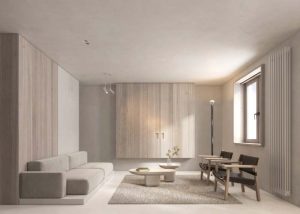
- Opt for a neutral color palette with pops of color for accent pieces.
- Choose furniture with clean lines and simple shapes.
- Keep decor to a minimum, focusing on a few statement pieces rather than cluttering the space.
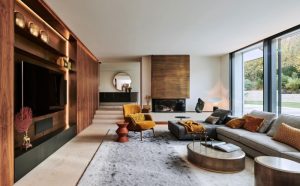
- Use natural materials like wood and stone for a warm and inviting feel.
How to Incorporate Minimalist Design into a Bedroom
- Stick to a simple color scheme, such as whites, greys, or muted tones.
- Invest in a high-quality bed frame and bedding for a clean and inviting look.
- Keep surfaces clutter-free by utilizing storage solutions like built-in closets or under-bed storage.
- Add a few carefully chosen accessories, such as a statement lamp or a piece of artwork, to add personality without overwhelming the space.
Use of Natural Light in Minimalist Home Designs
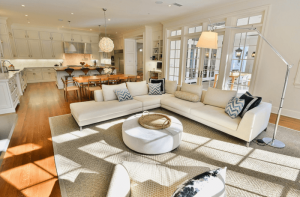
Natural light is essential in minimalist design as it helps to create a bright and airy space. To maximize natural light:
- Opt for sheer curtains or blinds to allow light to filter in while maintaining privacy.
- Position furniture to make the most of natural light sources, such as windows or skylights.
- Consider adding mirrors to reflect light and make the space feel larger.
Role of Decluttering in Achieving a Minimalist Aesthetic
Decluttering is key to achieving a minimalist aesthetic as it helps to create a sense of calm and order in your home. To declutter effectively:
- Start by getting rid of items you no longer need or use.
- Organize your belongings into designated storage areas to keep surfaces clear.
- Regularly assess your space and remove any unnecessary items to maintain a minimalist look.
- Consider implementing a one in, one out rule for new purchases to prevent clutter from building up.
Modern Classics
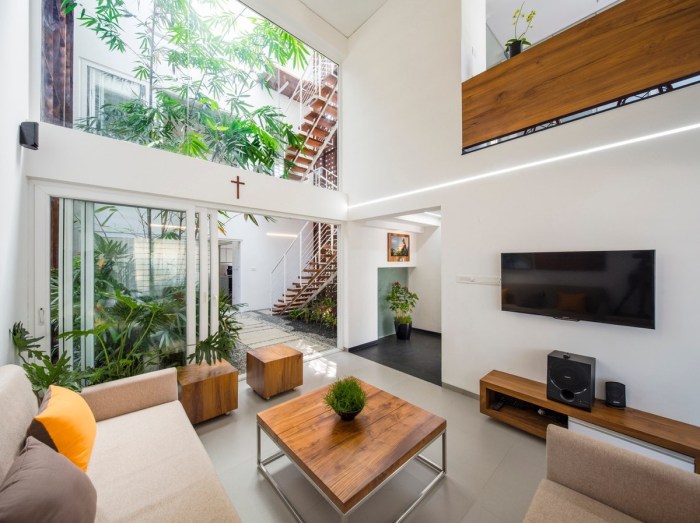
Modern classic furniture pieces are timeless designs that have stood the test of time and continue to be relevant in today’s interior design trends. These pieces often feature clean lines, minimalistic shapes, and a focus on functionality.
When it comes to blending modern classics with minimalist design, the two styles complement each other effortlessly. The simplicity and elegance of minimalist design enhance the iconic appeal of modern classic furniture, creating a harmonious balance in the space.
Influence of Bauhaus on Modern Classic Design
The Bauhaus movement, with its emphasis on simplicity, functionality, and craftsmanship, has had a significant influence on modern classic design. Furniture pieces inspired by Bauhaus principles often feature geometric shapes, clean lines, and a focus on quality materials, making them perfect additions to a minimalist home.
Mixing Modern Classic Elements with Contemporary Decor
- Choose a statement modern classic piece, such as a Barcelona chair or a Noguchi coffee table, as a focal point in the room.
- Pair modern classic furniture with sleek, contemporary pieces to create a dynamic look that combines the best of both styles.
- Opt for a neutral color palette to allow the modern classic elements to stand out while maintaining a cohesive overall aesthetic.
- Integrate elements of nature, such as indoor plants or natural textures, to add warmth and balance to the modern classic and contemporary mix.
Modern Living
In modern living spaces, the focus is on clean lines, open layouts, and minimalistic design elements. These rooms often feature a neutral color palette, sleek furniture, and a clutter-free environment to create a sense of calm and simplicity.
Importance of Functionality
Functionality is key in modern living spaces as they are designed to be practical and efficient. It is important to maximize the use of space and ensure that each element serves a purpose. Investing in multifunctional furniture and storage solutions can help keep the room organized and clutter-free.
Minimalist Workspace Tips
- Choose a simple desk with clean lines and minimalistic design.
- Opt for a neutral color scheme to create a cohesive look.
- Keep only essential items on the desk to avoid clutter.
- Incorporate plenty of natural light to boost productivity.
- Add greenery or artwork for a touch of personality without overwhelming the space.
Concept of “Less is More”
In modern living design, the concept of “less is more” emphasizes the idea that simplicity and minimalism can create a more impactful and visually appealing space. By reducing clutter, focusing on essential elements, and embracing negative space, a modern living room can feel spacious, calming, and sophisticated.
In conclusion, Minimalist Design Ideas for Home offer a refreshing perspective on creating stylish and functional living spaces by embracing simplicity and natural light. Dive into the world of modern classics and modern living, blending timeless elegance with contemporary flair for a truly impactful design statement.
Question & Answer Hub
How can I incorporate minimalist design into a bedroom?
You can achieve a minimalist look in a bedroom by using neutral colors, decluttering the space, and opting for simple, functional furniture pieces. Focus on clean lines and minimal decor to create a serene and relaxing environment.
What are some tips for creating a minimalist workspace in a modern living environment?
To create a minimalist workspace, choose a clean and uncluttered desk, use organizational tools for storage, and incorporate natural light for a bright and airy feel. Keep the color palette simple and focus on essentials to boost productivity and creativity.